Capacity Building &
Technical Training
Hawaiʻi Green Fee Workshops
Preparing for Green Fee Procurement Opportunities: Community Capacity Building Workshops
The Hawaiʻi State Green Fee (Act 96) represents a historic first-year allocation of dedicated funding for environmental stewardship, climate and hazard mitigation, and sustainable tourism across the state. This two-part workshop series offered in the Summer of 2026, building upon a capacity-building workshop offered in November 2025, is designed to help community-based organizations (CBOs)—particularly executive directors, organizational leads, and grants staff—understand how to generally prepare for government Requests for Proposals (RFPs) tied to these new Green Fee budget allocations for FY27.
Hosted by Hawaiʻi Green Growth, Hawai’i Public Policy Advocates, and the Care for ʻAina Now Coalition, and convened in partnership the Governor's Green Fee Advisory Council, this multi-part series combines a statewide virtual training on pre-RFP Readiness and Compliance processes with county-level in-person RFP Narrative and Budget 101 workshops to ensure that organizations across every island have equitable access to both knowledge and peer support as these funding opportunities become available for the first time.

County Workshops (August 2026)
The first State Agency Request for Proposal (RFP) was released by DLNR in mid-July. At the request of many community organizations, HGG and partners are hosting the second workshop as part of this Community x Green Fee series throughout early August in person in each county. The intention is to support individual orgs prepare proposals and compliance procedures for competitive RFP bids. Presenters will include officials from the State Procurement Office; procurement, budget and policy experts; and many seasoned non-profit and community orgs who have successfully received funds from RFPs in the past that can share peer advice. These workshops, hosted in partnership with each of the Counties and County Sustainability (or equivalent) offices, are free and open to community and non-profit orgs.
These workshops build on the statewide virtual Green RFP compliance and procurement overview webinar hosted in June 2026 (see recording below!) that focused on procurement processes and compliance readiness. The workshops are intended to provide direct action-oriented support to community organizations stewarding environmental, climate hazard mitigation and sustainable tourism work across the state so that they may confidently apply to Green Fee RFPs via the Agency-issued Request for Proposal (RFP) process.
Please note that these workshops are not intended to advise on any specific RFP but rather to provide general process guidance for those less familiar with the process.
*Note that while there were no virtual options and the presentations were not be recorded, materials from the workshops are available at the links below:
County Workshop (August 2026) Resources:
Additional Resources:
Virtual Workshop Recording (June 2026)
The Virtual Webinar, Accessing Hawai’i Green Fee Funding: An RFP Readiness Workshop for Community Orgs & Nonprofits on June 24 aimed to increase organizational capacity in community-led organizations across Hawaiʻi's environmental sector so that nonprofits and community-based organizations can effectively prepare, write, and submit competitive proposals in response to Department-issued Green Fee RFPs and future state procurement opportunities that support these buckets of funds. Access the recording and supporting resources above.
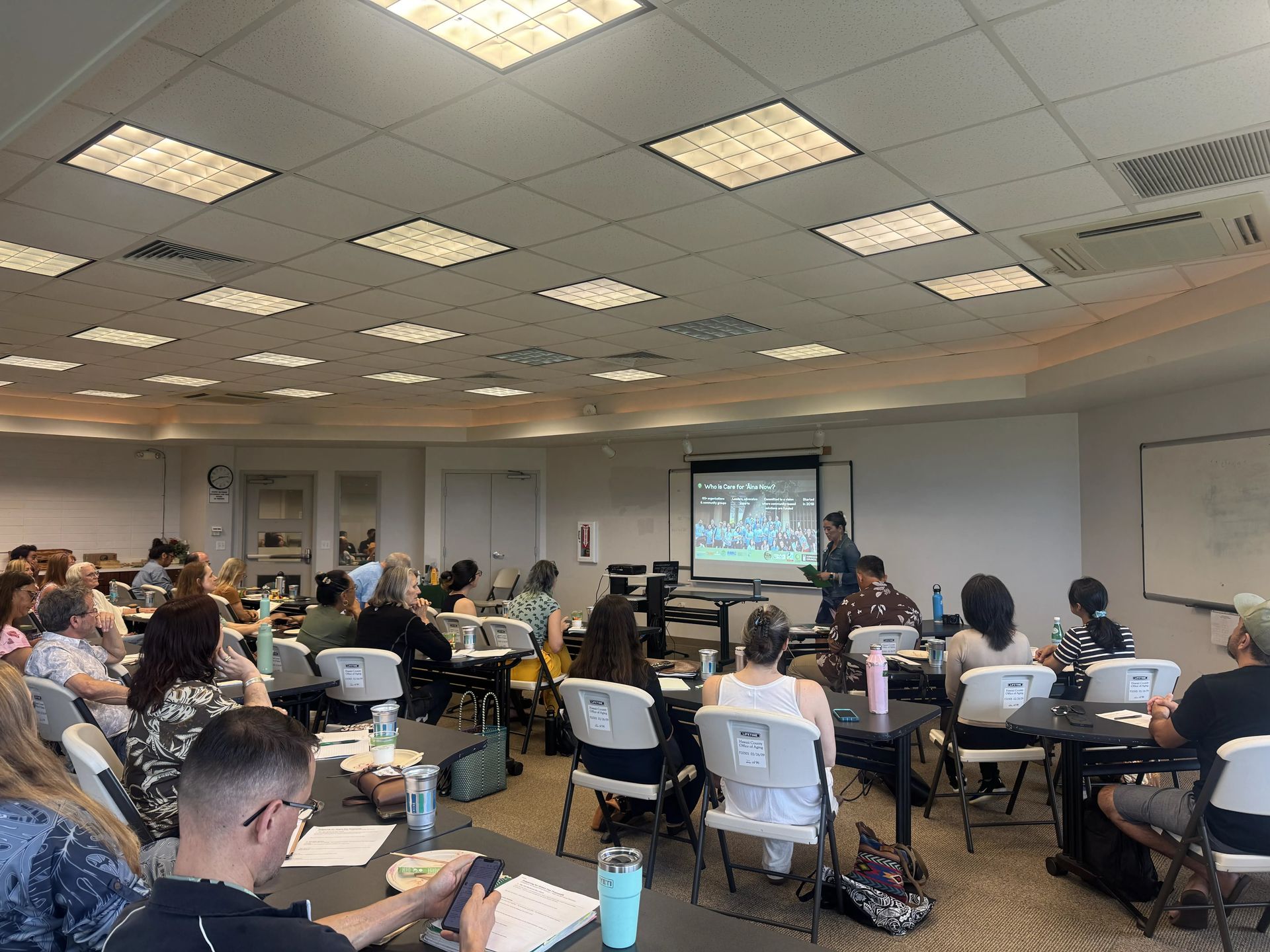
Hilo
Mahalo to County of Hawaiʻi partner OSCER!
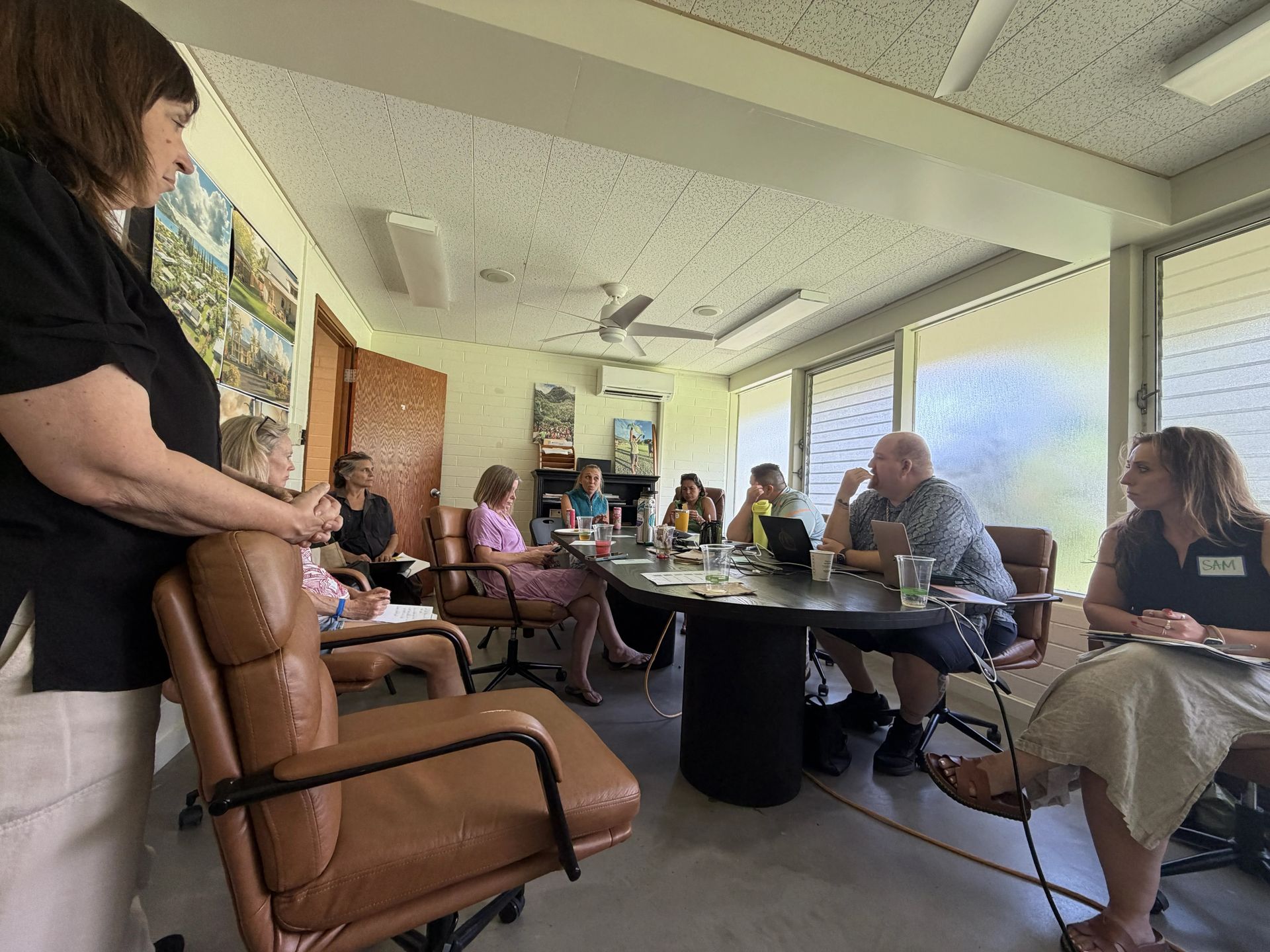
Kauaʻi
Mahalo to host Hanalei Initiative
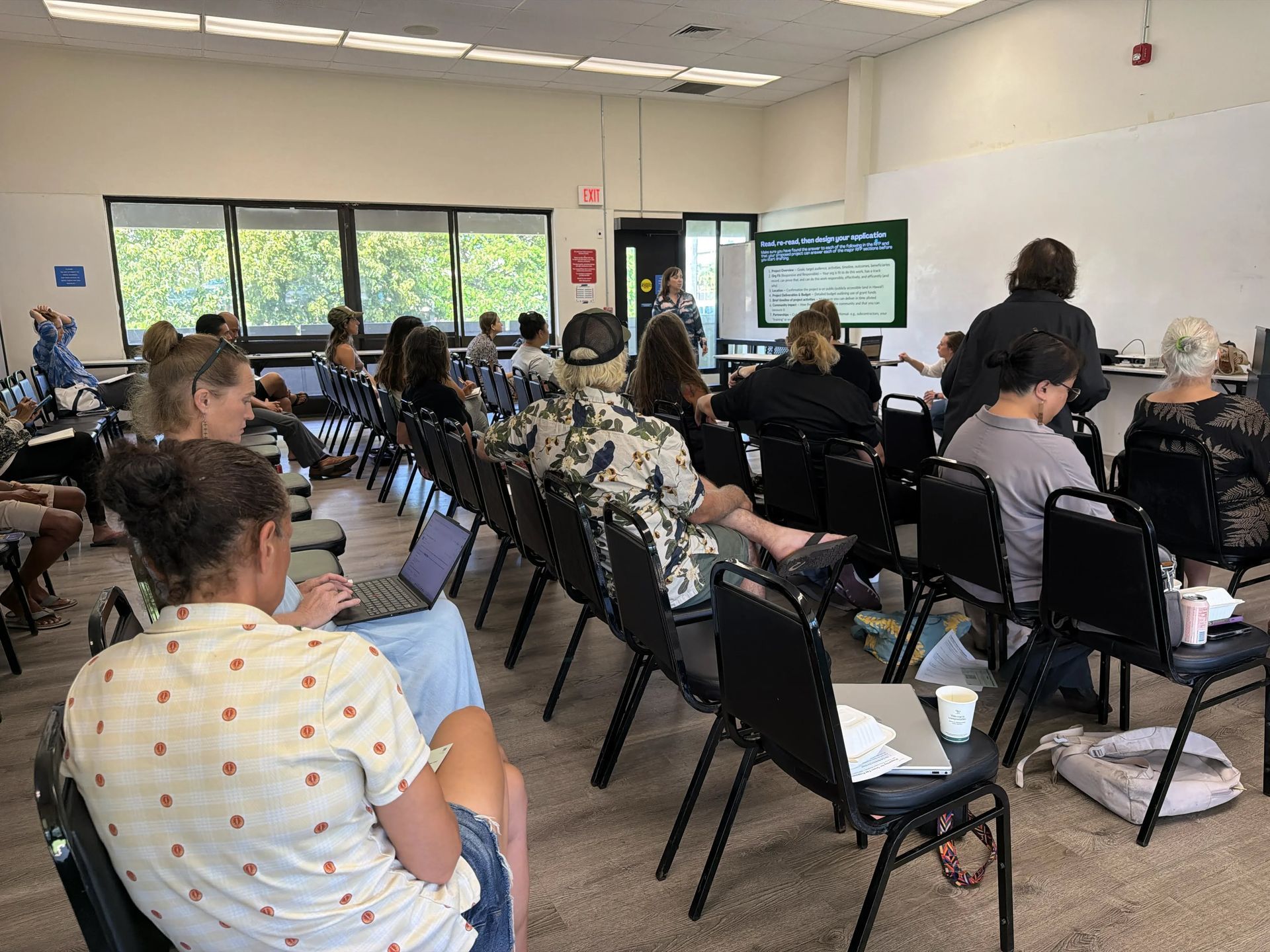
Maui
Mahalo to Mayorʻs Office!
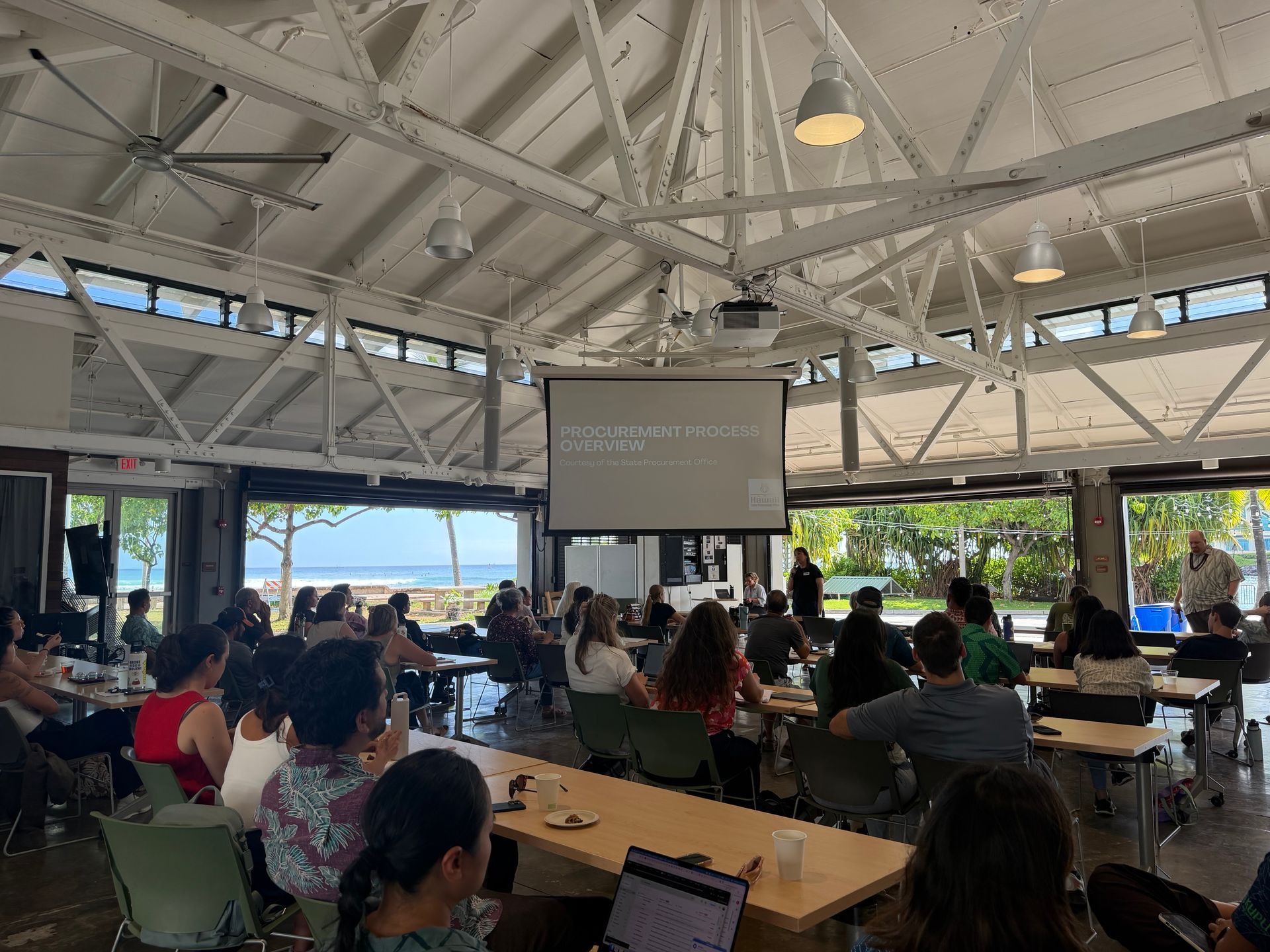
Oʻahu
Mahalo to partner OCCSR and site host Kupu!
Frequently Asked Questions
For Procurement Guidance, please visit the State Procurement Office website at https://spo.hawaii.gov/.
For RFP questions, refer to the specific RFP and/or consult with the RFP's designated Procurement Officer directly.
If you have specific questions on these workshops, please direct them to communications@hawaiigreengrowth.org.
On RFP Postings
Where can I find Green Fee RFPs?
RFPs will be issued by State Department/Agency that was awarded the funding per the project line item in House Bill 1800, the State Supplemental Budget. You can review the State Budget (FY 2027), which includes $129 million in funding for Green Fee related projects.
To make this easier to navigate, HGG has assembled a Green Fee RFP Tracker which will aggregate and list RFP links as they are posted by department. All RFPs will also be listed on the HIePRO (Hawaii eProcurement) system and the HANDS (Hawaii Awards & Notices Data System) website.
Will the RFP contain a list of allowable and unallowable costs in the solicitation?
Typically, they do. If not, it’s a good question to ask the specific procurement officer for that solicitation during the open Q&A period for that RFP.