Action Groups
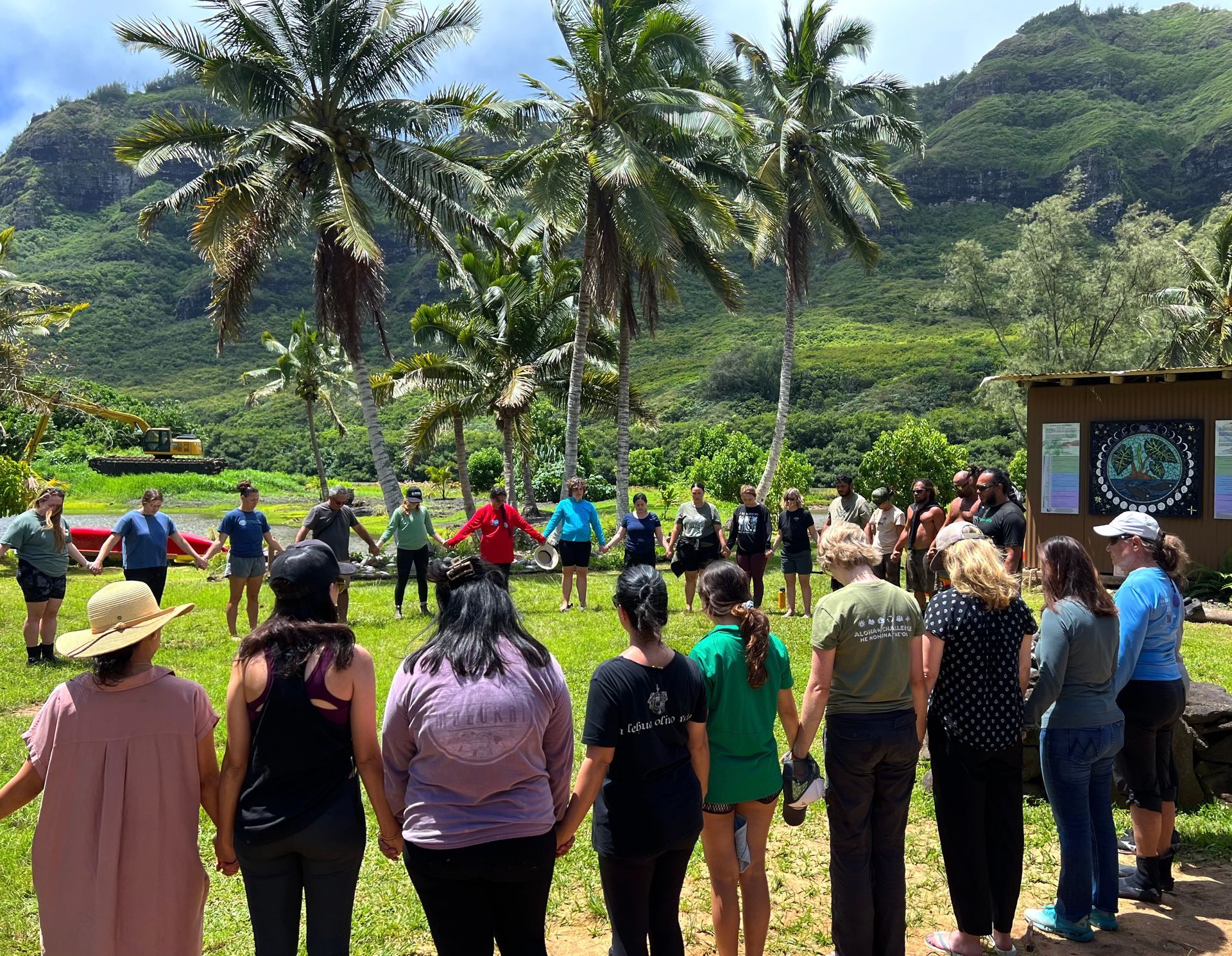
As a statewide cross-sector network and trust-based forum, Hawai’i Green Growth members jointly set priorities for collaborative action to advance the Aloha+ Challenge. Hawai’i Green Growth convenes on a quarterly basis, through five Working Groups to advance the network’s strategy.
Ala Wai Watershed Collaboration
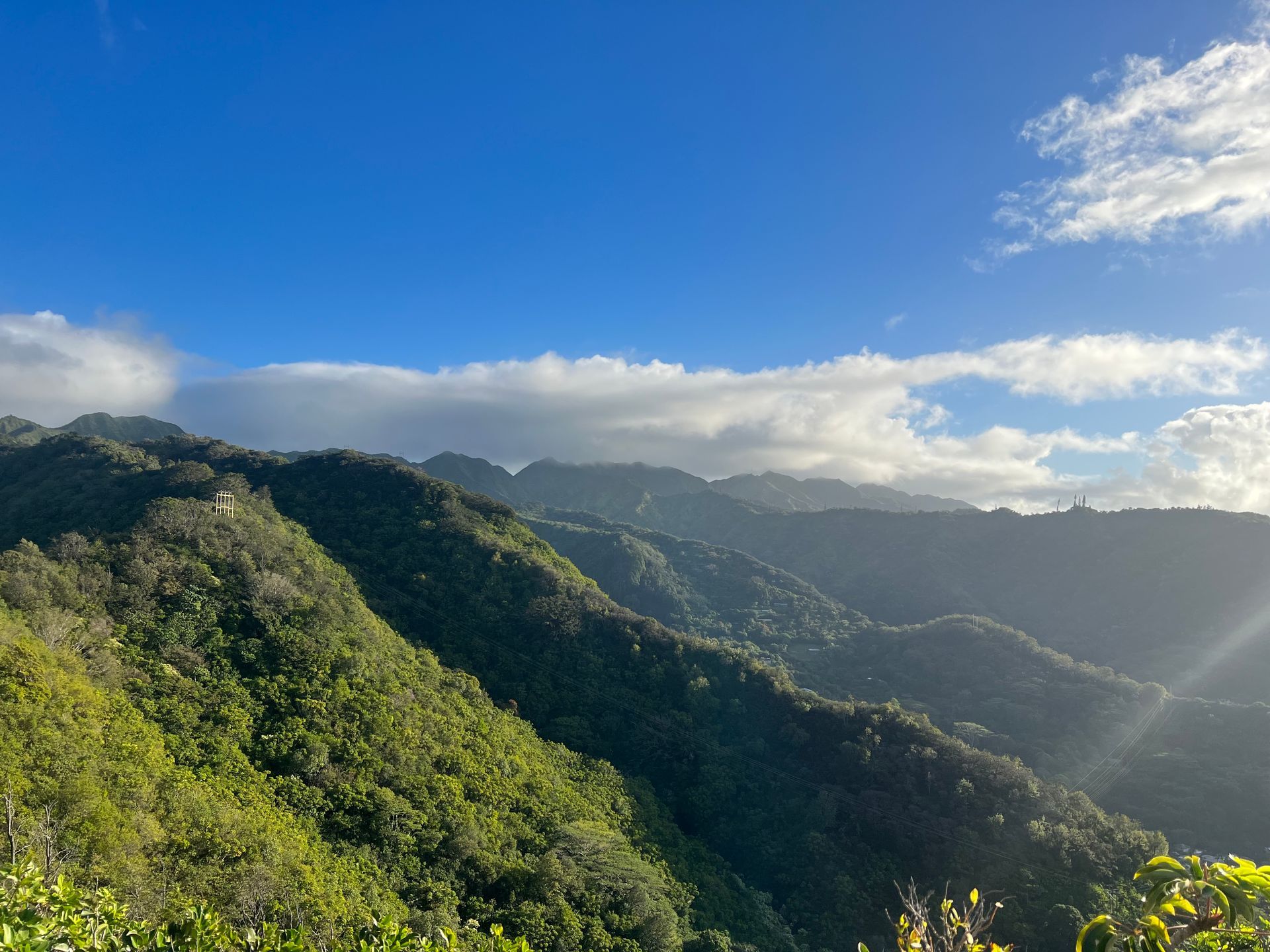
The Ala Wai Watershed Collaboration (AWWC) is a network of government, business, and community partners committed to a more resilient and prosperous Ala Wai Watershed, Hawaiʻi’s most densely populated watershed. The AWWC began convening in 2015 and has developed a collaborative bottom-up vision for resilience and quality of life throughout the watershed. This vision is grounded in the legacy of Native Hawaiian natural resource management through the ahupua‘a system, traditional divisions of land that provided a foundation for stewardship, governance, and a sense of place. In 2022, the AWWC completed an 18-month technical feasibility study of eight partner-led projects, centered on nature-based solutions to build resiliency throughout the watershed. The study included a rigorous technical analysis of projects assessed through the newly developed Mālama Implementation Tool to support an iterative stakeholder-driven process. The outcome of this feasibility study highlights the alignment of the projects with both the Aloha+ Challenge Goals and Hawaiian host culture and island values, as well as next steps to support the implementation of these initiatives. Currently, the AWWC is pursuing the establishment of a Community Investment Vehicle (CIVic), an innovative management framework and mechanism that would create a shared decision-making process that engages a diverse group of stakeholders at all stages of watershed project planning, including design, implementation, and long-term maintenance. Establishing the CIVic would support collective efforts to advance a resilient and prosperous Ala Wai Watershed. Beyond that, it serves as a scalable model of community-driven and holistic resilience planning that applies island values and indigenous knowledge to the modern challenges of an urbanized watershed.
Co-Chairs:
Daniel Nāhoʻopiʻi - Interim President & Chief Executive Officer, Chief Administrative Officer, Hawaiʻi Tourism Authority
Rick Egged -
President and Executive Director,
Waikīkī Beach Special Improvement District Association
Measures
The Measures Action Group (MAG) leads a multi-year stakeholder-driven process to maintain the Aloha+ Challenge Dashboard and update statewide indicators which track progress, provide accountability, and ensure transparency on Hawaiʻi’s economic, social, and environmental priorities. The Working Group continues to update metrics with public and private stakeholders, and is developing innovative mechanisms for both community-driven data and policy tools for decision-makers.
Co-Chair:
Rebecca Cai -
Chief Data Officer, State of Hawai‘i
Policy and Legislation
The Policy and Legislation Action Group (P&L) supports coordination on public-private policy priorities across economic, social, and environmental sectors to implement the Aloha+ priority areas. The Action Group engages in policy setting and coordination at the state, county, and federal levels. Through a partnership with Hawaiʻi Pacific University, the group follows the legislative session while tracking and uplifting bills of interest in conjunction with the Aloha+ priority areas. After the legislative session concludes, a bill summary is produced by Hawaiʻi Pacific University students and circulated amongst action group members. These results aid in priority setting for the group ahead of the next legislative session.
The Hawaiʻi Green Growth Bill Tracker is a crowdsourced resource to facilitate information sharing among the HGG Network and our collective sustainability goals for Hawaiʻi and our local communities. Access the tracker for the 2026 Legislative Session here.
Other useful Bill Trackers:
- Hawaiʻi Food+ Policy’s Bill Tracker tracks bills that could impact Hawaiʻi’s food system, to align with their 2026 policy intentions.
- The Chamber of Commerce Hawaii's 2026 legislative agenda focuses on key policies that drive economic growth, support workforce development, and strengthen local businesses.
- Climate Future Forum’s 2026 Bill Tracker tracks policy priorities of youth-led working groups.
- The Hawaiʻi Public Health Institute 2026 Bill Tracker tracks bills related to public health and health equity related to their 2026 policy priorities.
- Civil Beat (not quite a bill tracker, but still worth sharing!): New as of the 2026 legislative session, Civil Beat’s Digital Democracy tool uses AI to track exactly what is happening at the legislature, including hearing discussions, donations, bill introductions, votes, and more.
Chair:
Ulalia Woodside -
Executive Director, The Nature Conservancy of Hawaiʻi & Palmyra
Sustainability Business Forum
The Sustainability Business Forum (SBF) is a voluntary peer-to-peer network of business executives who are taking the initiative to shape a sustainable future for Hawaiʻi. SBF members share a deep commitment to our island home, and a desire to drive private-sector action to achieve Hawai‘i’s statewide sustainability goals. This unique group is devoted to aligning company values with a triple-bottom-line approach to achieve economic prosperity, environmental stewardship, and community resilience, and to advance Hawai‘i’s Aloha+ Challenge. Coordinated by Hawai‘i Green Growth, the SBF convenes quarterly at the executive level to engage in strategic dialogue that catalyzes action on concrete initiatives. The forum develops opportunities to build resilience and create investment opportunities in the top identified priorities of carbon off-sets and carbon-based mechanisms, green business operations, and sustainable tourism. To advance the SBF’s priorities, a series of communities of practice meet in between quarterly convenings to advance progress on specific priority areas. These communities of practice include the Environmental Social Governance (ESG) Focus Group, Energy Efficiency Working Group, Local Food Working Group, and the Regenerative Tourism Working Group.
Co-Chairs:
Scott Seu - President and Chief Executive Officer, Hawaiian Electric Industries
Kalani Kaʻanāʻanā - Chief Executive Officer, Hawaiʻi Green Growth UN Local2030 Hub